
Secrecy as a Governing Method
All the President's MenThis flow explores how concealment, delegation, and controlled disclosure shaped the campaign’s operations and complicated accountability.
increasing Bearing strength in each event
 decreasing
Bearing strength in each eventdecreasingCompartmentalized Work

Compartmentalized Work
Information Kept in Parts
Covert operations were divided among campaign, White House, and intelligence personnel. Individuals could know their assignments without knowing the full plan or the people above them.
Responsibility Becomes Difficult to Locate
Such compartmentalization protected operations from exposure, but it also created deniability for senior figures. Later investigators struggled to distinguish ignorance from deliberate insulation.
The Secret Cash System

The Secret Cash System
Funds Outside Routine Controls
Large sums were kept as cash rather than being fully documented through ordinary campaign accounting. Hugh Sloan and other staff described payments made without receipts or clearly stated purposes.
A Tool and a Liability
The cash enabled covert operations while hiding who received money and why. Once the fund surfaced, every payment became a potential link between political management and illegal activity.
The Cover-Up’s Instructions
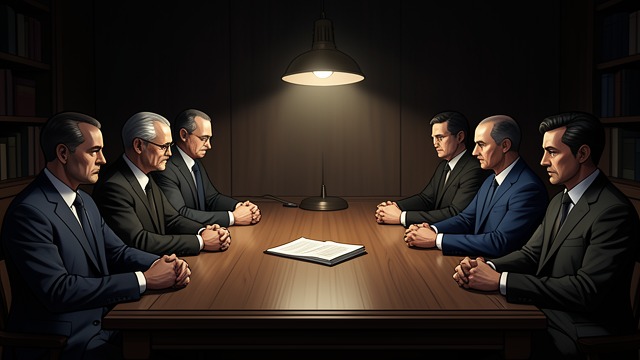
The Cover-Up’s Instructions
Keep the Committee Together
Employees described a message to hold ranks and avoid volunteering information. FBI interviews at committee headquarters sometimes took place with campaign lawyers or senior officials present.
Silence as Organization
The instructions did more than protect individual reputations: they limited what investigators could learn and shaped the first public account. The resulting silence became an operational extension of the original secrecy.
Destroyed Records

Destroyed Records
Evidence Disappears
Employees described the removal or destruction of ledgers, fund records, and memos after the arrests. The missing documents made it harder to establish the flow of cash and the recipients of surveillance information.
Concealment Leaves Its Own Trace
The absence of records became evidence of a possible effort to obstruct the investigation. Even when the reporters could not identify who destroyed every document, the timing and scale of the losses mattered.
The System Is Exposed
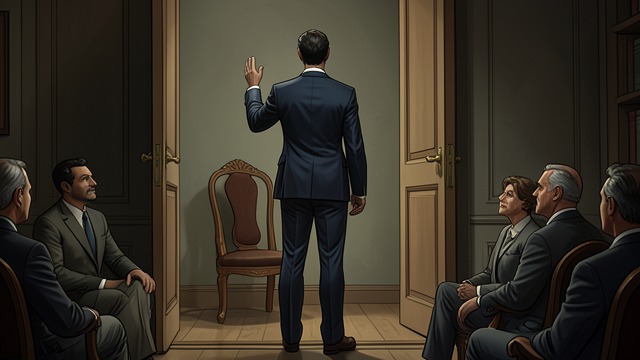
The System Is Exposed
Testimony Breaks the Pattern
James McCord, Jeb Magruder, and John Dean supplied accounts that challenged the campaign’s unified denials. Their disclosures showed how secrecy could hold only while participants trusted one another and believed they would be protected.
Accountability Reaches Upward
As insiders defected, delegation no longer shielded senior officials from scrutiny. The crisis revealed secrecy not as an isolated tactic but as a governing method with consequences for the presidency and the law.
1971
1971–1972
June 19, 1972 onward
June 1972
1973–1974
